39 new australian food labels
Food and beverage product news in Australia and beyond ... But there's a new-look cruiser that is raising eyebrows as the party drink goes luxe and unveils its new 3.1L bottles for select venues. The new limited-edition Cruiser Magnums celebrate the drink's 21st birthday as well as the reopening of dance floors across Australia. But you can't get your hands on this super-sized party starter just anywhere. Australia - Labeling/Marking Requirements The joint Australia New Zealand Food Standards Code requires all packaged food to be labeled with nutritional information on how much fat, protein, energy, carbohydrates, and salt is in the product. Labels must also show the percentage of key ingredients and all the main ingredients that may cause allergies.
Food labelling - NSW Food Authority New requirements for labelling the most common allergens in food commenced on 25 February 2021. The changes to the Food Standards Code will help people find allergen information on food labels more quickly and easily, so they can make informed and safe food choices. For more information see Changes to allergen labelling .

New australian food labels
Food labels - Better Health Channel When priority foods are grown, produced or made in Australia, their country of origin labels will display a kangaroo in a green triangle and a bar chart which says what shows the proportion of the food is Australian. Only priority foods that are produced or grown using 100% Australian ingredients can use the produced or grown in Australia label. Food standards and safety | Australian Government ... It works with the Australian food sector to test, analyse and measure foods to ensure accurate labelling and food safety. Read more about food labelling requirements and understanding food labels. Storing, handling and serving food safely. Australia has a reliable, safe and nutritious food supply. But food poisoning still happens. New Australian Food Labels And How They Affect You - Byron ... There are five new labels in total. The following three are identified with a kangaroo symbol: GROWN IN AUSTRALIA - You're good to go with this option as this label means your food is 100% grown in Australia. PRODUCT OF AUSTRALIA - Think canned or bagged goods where the ingredients are 100% Australian and they've been processed here too.
New australian food labels. Labelling - Food Standards Food labels also help to protect public health and safety by displaying information such as use by dates, ingredients, certain allergens, instructions for storage and preparation, and advisory and warning statements. FSANZ sets standards for what information must be on food labels. FSANZ has developed information on a range of labelling topics. Develop your own label. - Correct Food Systems All food products sold in Australia must meet the requirements listed in the The Australian Food Standards PART 1.2 Labelling and other information requirement Guidance material is available at True and Accurate information Labelling - Food Standards The Food Standards Code includes the general labelling and information requirements (Chapter 1 of the Code) that are relevant to all foods, and sets out which requirements apply in different situations (for example food for retail sale, food for catering purposes, or an intra-company transfer). How to understand food labels - Eat For Health The HSR system was developed by Australian, state and territory governments, industry, public health and consumer groups. Ingredients List. All ingredients in a food product must be listed on the label in order (Food Labels - What do they mean? Food Standards Australia and New Zealand, from largest to smallest by weight.
Country of origin food labelling | business.gov.au Country of origin food labelling can let consumers know which country a product came from. If you supply food for retail sale in Australia then the Country of Origin Food Labelling Information Standard 2016 (the Information Standard) may apply to your products. If the Information Standard does not apply to your product, then the Australia New Zealand Food Standards Code will apply. Food Law Update: Australia - Changes to allergen labelling ... According to the New South Wales Food Authority's Allergen Survey Report 2018, food allergies are on the increase and the most common reason for food recalls both in Australia and internationally is caused by failure to include allergen labelling on food products.These concerns are reflected in FSANZ's ongoing consideration of allergen labelling on food products. Proposed new Australian food labelling laws released ... A two-month consultation study into food labelling regulations has found food can be 'Made in Australia' without any Australian ingredients. It also concluded consumers find current laws "confusing and irrelevant" and business considered the existing requirements "burdensome". Many consumers are confused by country of origin food labels. New Australian food labels will list local food content ... NEW food labels will reveal only the "Australian-ness" of groceries - meaning the consumers who bought contaminated berries earlier this year would not have known they were from China. The Abbott Government yesterday revealed that from next April 1 most groceries will have to include a label to explain the percentage of Australian ingredients.
New food labels will give Aussie shoppers easy guide to ... 8:22am Jul 22, 2015 The new labels will show how much native Australian produce is used in Australian-made products. (9NEWS) New food labelling laws will give Australian shoppers a quick visual guide as to how ocker their groceries really are, the government has claimed. Food labelling - HealthyWA, Western Australian Department ... The supplier's name and their Australian or New Zealand business address is required on food package labels. The term 'supplier' includes the packer, manufacturer, vendor (the business selling the food) or importer (the business bringing the food into Australia). Country of origin food labels | Department of Industry ... Australian food labels must easily convey where food is grown, produced, made or packed. This helps consumers make informed decisions about the food they buy. Requirements and tools for business If you sell food in retail stores in Australia, you will need to consider if your products need country of origin food labels. Changes to food labelling laws - The Australian Made Campaign From July 1, 2016, the Australian Government incorporated the Australia Made Campaign Ltd's (AMCL) Australian Made, Australian Grown (AMAG) kangaroo logo into a new country of origin label, which, on July 1, 2018, became mandatory for most Australian food products sold in Australia.
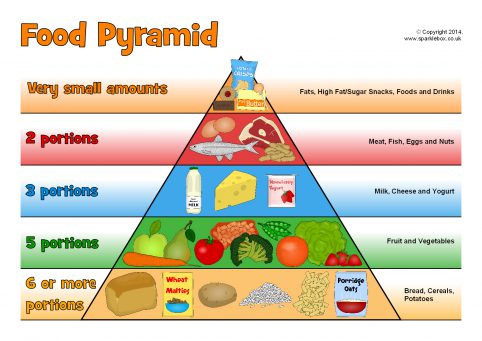
Great visual about serving sizes from the new Australian Dietary Guidelines | Stage 5 PE ...
CHOICE guide to food labelling - Nutrition Most foods are required to have the following information on their label: • The food's official name (called a prescribed name) or a description if there's no official name. • The supplier's Australian or New Zealand contact name and address. • The country of origin.
Recycling Sticker - Paper - Wheelie Rubbish Signs
Food Labelling - Foodstream To access these services, see "Standard Labelling Services" below (or call us on 07 3137 1433, or use the contact form on this page If a more complete service is required - such as to include brand/graphic design - we work with other professionals in this area - such as Renee Weaver of Evolve Brand Design. Standard Labelling Services:
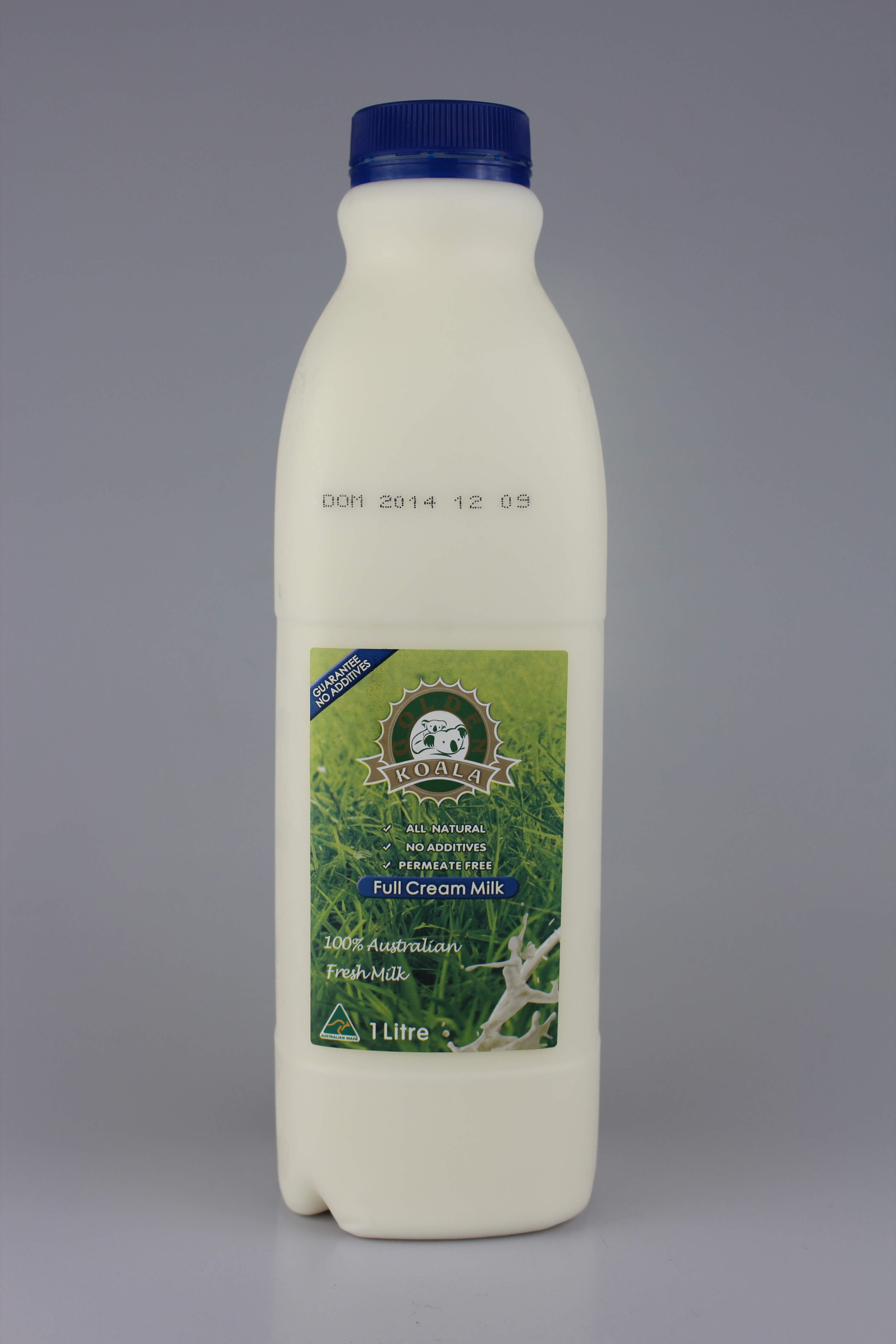
Golden Koala Fresh Full Cream Milk - The Australian Made Campaign
New Australian Food Labels And How To Read Them There are five new labels in total. The following three are identified with a kangaroo symbol: GROWN IN AUSTRALIA - You're good to go with this option as this label means your food is 100% grown in Australia. PRODUCT OF AUSTRALIA - Think canned or bagged goods where the ingredients are 100% Australian and they've been processed here too.

Traffic Light Food Labels Get Green Light From Australian Consumers | Asian Scientist Magazine ...
Food labelling FAQs | ACCC - Australian Competition and ... The Country of Origin Food Labelling Information Standard (Standard) commenced on 1 July 2016. The Standard establishes a new system for the country of origin labelling of food products sold in Australia. Businesses have up to two years to transition to the labelling requirements set out in the Standard.

Labels reveal foods not intended for sale in Australia are readily available | SBS Your Language
Changes to allergen labelling | NSW Food Authority New requirements for labelling the most common allergens in food commenced on 25 February 2021. The changes to the Food Standards Code will help people find allergen information on food labels more quickly and easily, so they can make informed and safe food choices. The changes include:
Emu Essence Emu Egg - The Australian Made Campaign
Food labelling - health.vic.gov.au Food labelling Key messages All packaged foods sold in Australia must comply with the labelling requirements of the Australia New Zealand Food Standards Code, which applies in Victoria through the Food Act 1984. Food labels must carry essential information, so that consumers are informed of the nature and properties of foods before they buy.
Related Items
Farmers hope new food labelling laws spur consumers to buy ... After a two-year phase-in period, new country-of-origin food labelling laws come into full effect in July. An example of the new labelling system that is now compulsory. (Supplied) The labels clearly spell out where food is from, and which foods are grown, produced or made in Australia. All priority foods must display new country-of-origin labels.

Bangkok's new wave of rooftop bars won't break the bank. Here's how they compare. | BK Magazine ...
Food Labelling & Allergen Guide - Australian Food and ... The Food Industry Guide to Allergen Management and Labelling offers guidance in managing allergens. It's relevant to those involved in the supply, handling, production, import and sale of foods. It was first development by the AFGC in 2007 but an updated edition was jointly published by the AFGC and Allergen Bureau in April 2021.
Post a Comment for "39 new australian food labels"