38 genetic engineering on food labels
A Q & A on the Mandatory Labeling of Genetically Engineered Foods Genetic engineering is just one method that humans can use to change the genetic makeup of food. Since the 1990s, genetically engineered food has been in the U.S. food supply. Guidance: Voluntary Labeling Food from Genetically Engineered Plants Because section 201 (f) (1) of the FD&C Act defines "food" in relevant part as "articles used for food or drink for man or other animals," the food derived from genetically engineered plants...
A New GMO Labeling Rule Takes Effect, but Food Anxieties Remain O n Jan. 1, the long-running public debate about labeling genetically modified foods entered a new phase. A U.S. federal rule went into effect mandating that food companies disclose whether their products contain a detectable amount of recombinant DNA — genetic material from multiple sources combined through lab techniques to confer desired traits. . The new policy requires that those foods ...
/cdn.vox-cdn.com/uploads/chorus_image/image/60201529/gmolabelbill_custom_46bd1ad501cdee90a9a3b87506c719c1ef35eecc_s900_c85.0.jpg)
Genetic engineering on food labels
The Truth Behind Food Labels | Audubon To earn the label, foods must be produced without the use of synthetic pesticides, herbicides, fertilizers, sludge, irradiation, or genetically modified seeds, according to the agency. Cows must have access to pasture a minimum of 120 days per year. There are four tiers of "organic" defined by USDA guidelines. GMO labeling: USDA 'bioengineered' labeling rules are unlawful, argues ... The National Bioengineered Food Disclosure Standard - which requires firms to label 'bioengineered' foods and beverages - is unlawful and should be nullified and then revised, according to a ... Completely meaningless 'partially produced with genetic engineering ... GMO Labels Won't Make Your Food Safer Soon you will see the words "partially produced with genetic engineering" in the fine print on many food packages. Activist groups have spent millions of dollars fighting for that tiny text, and food companies have spent millions fighting back. And none of that effort had anything to do with your health.
Genetic engineering on food labels. Science and History of GMOs and Other Food Modification Processes 1973: Biochemists Herbert Boyer and Stanley Cohen develop genetic engineering by inserting DNA from one bacteria into another. 1982: FDA approves the first consumer GMO product developed through ... GMO, GE, Bioengineered...What Do All These Food Labels Mean? | Vermont ... However, here's where it gets confusing: The Non-GMO Project is a nonprofit organization that will test and verify that food manufacturers' products contain less than 0.9 percent of genetically engineered ingredients. That's right. The label says "Non-GMO," but the definition refers to genetic engineering. GMO Labeling Foods Produced With Genetic Engineering Processed foods that would be required to be labeled under section 121.02 of this rule solely because the food includes one or more processing aids or enzymes produced with genetic engineering. (d) Alcoholic Beverages Beverages regulated under the provisions of Title 7 of the Vermont Statutes. (e) Foods with Minimal Genetically Engineered Content What the New 'Bioengineered' Food Label Means | Food & Wine However, for the purposes of the standard, the foods that require labeling are determined by the USDA's official List of Bioengineered Foods. Currently, the list contains 13 items: Alfalfa Apples...
GMO Foods Will Be Labeled 'Bioengineered' - Verywell Health The U.S. Department of Agriculture established a federal standard for labeling genetically modified foods with "bioengineered" or "derived from bioengineered." Previous labels that said "genetically engineered" (GE) or "genetically modified organisms" (GMOs) will no longer be used, although consumers may be more familiar with these existing terms. Genetic technologies. Bioengineered food--safety and labeling This Policy Forum provides a legal analysis of these issues in the context of two bills that have been recently proposed in The U.S. Congress, the Genetically Engineered Food Safety Act and the Genetically Engineered Food Right to Know Act. A guide to how GMO's and bioengineered foods get labeled The United States Department of Agriculture announced standards for labeling bioengineered foods that will go into effect at the start of 2020, though companies may choose to adopt the labeling requirements earlier. For these labels, the term 'bioengineered' refers to food that people commonly call GMO's. The labeling rules aim to inject a little more information into the shopping ... Understanding GMOs and Bioengineered Foods - Navigating food labels in ... Non-GMO labels are just tools used for marketing Bioengineered food labels are regulated by the USDA. There are only 11 bioengineered items available at the store. Bioengineered Items: Alfalfa, Apples, Canola, Corn, Cotton, Potatoes, Rainbow Papaya, Salmon, Soybean, Squash, Sugar Beets Bioengineered food labels fruits and vegetables
USDA Genetic Engineered Food Label Misleads ... - Beyond Pesticides (Beyond Pesticides. January 7, 2022) Unbeknownst to most Americans when they woke up on New Year's Day 2022, a new labeling system for genetically modified-engineered foods— promulgated in 2019 — which does not mention genetically engineered or GMO ingredients, went into effect. Consumer, food, and environmental advocates say that the new label is misleading, insufficiently transparent ... Mandatory labels can improve attitudes toward genetically engineered food The objective of this article is to provide causal evidence on the impact of mandatory genetic engineering labeling on consumer attitudes toward GE food using data on consumers' real-world exposure to labels in the only state where mandatory labels have been enacted. Labeling of Genetically Modified Foods - 9.371 - Extension Mandatory labeling of genetically modified (GM) foods has been proposed under a variety of initiatives at national and state levels but has not yet been implemented in the United States. Current U.S. law mandates food labeling when there is a substantial difference in the nutritional or safety characteristics of a new food. Viewpoint: Mandatory gene-edited food labels would ease consumer fear ... "Frankenfoods" was one well-used label to describe GMOs and reflects how misunderstood the technology was. The biotechnology sector never bothered connecting with the public as it was promoting its...
Labeling genetically modified food makes people less panicky about it - The Verge
About GMO Foods | Just Label It "Genetically Engineered Foods", "Genetically modified organisms," or GMOs, are organisms that have been created through application of transgenic, gene-splicing techniques that are part of biotechnology. These transgenic methods for moving genes around are also called "genetic engineering," or GE.

15 Genetic eng.. :3 ideas | genetics, genetic engineering, genetically modified food
2.3 Understanding Food Labels - FON135 Sustainable Cooking ... - Maricopa Other Food Labels Genetically Modified Organisms (GMOs)4 GMO's refer to plants, seeds, or animals that have had DNA, or genetic material, modified by genetic engineering. The FDA, USDA, and EPA (Environmental Protection Agency) regulate most GMO products to ensure their safety. Organic standards do not allow for the use of GMOs.
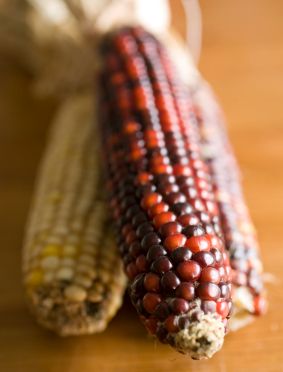
Genetically Modified Food: GM Foods List and Information - Disabled World
NEW LABELING: Bioengineered Foods - The Food Co-op For nearly a decade, food co-ops have advocated for national, mandatory labeling of foods produced with genetic engineering (commonly called GMOs). We have called for a clear, simple label that can tell people at a glance if a product contains ingredients that were produced using genetic engineering. ... the bioengineered food labels fall short ...

The case for genetically modified food - Chicago Tribune
GMO food labels are meaningless - Los Angeles Times In reality, there is no clear-cut category of GMO food, but Vermont's law mandates "produced with genetic engineering" labels when certain modification techniques have been used on crop plants:...
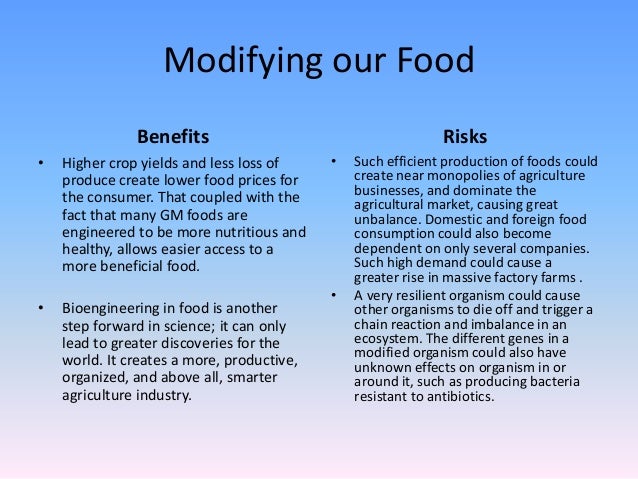
Genetically modified food
GMO Labeling | Science of GMOs Foods and food products that are certified as organic by USDA's National Organic Program meet a set of standards that prohibits all use of GE technology in organic food production and processing, so the USDA Organic label indicates that foods do not contain GMO ingredients.

30 Produced With Genetic Engineering Label - Label Ideas 2020
What Are GMOs and Genetic Engineering in Agriculture? - FoodPrint Genetically engineered (GE) or genetically modified (GM) foods are produced from plants and animals that have had changes made to their DNA, which introduce or modify genetic traits. Most packaged foods contain genetically modified organisms (GMOs) engineered to be resistant to herbicides and pests; corn, soybeans and canola oil are prime examples.
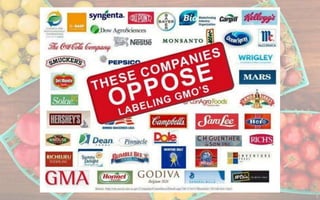
Genetically modified foods, Labelling
Labels on Genetically Engineered Food Coming Soon on july 1, a law that requires labels on genetically engineered food takes effect in vermont, but even before then, consumers across the u.s. will start seeing the words "produced with genetic...

Genetically modified foods powerpoint
Bioengineered (Genetically Engineered) Foods & Labeling | Policy Briefs ... National Bioengineered Food Disclosure Standard: Mandatory Labeling of GMO Foods September 2018. In July 2016, Congress passed a bill requiring companies to label food containing genetically modified organisms. As of September 2018, the specifications of the bill have not been finalized.

Rockwell Health and Beauty: Say "No" to GMO
PDF Labeling of Genetically Modified Foods - Extension food labeling when there is a substantial difference in the nutritional or safety characteristics of a new food. The U.S. Food and Drug Administration (FDA) does not consider the method of genetic engineering by itself tocreatesuchadifference. • Companies may voluntarily label foods produced without genetic modification, and

Opinion | Should Labels Be Required on Genetically Modified Foods? - The New York Times
Why We Need Labeling of Genetically Engineered Food To adequately protect consumer health from the effects of unrecognized or uncommon allergens, all genetically engineered food must be labeled. Genetic Engineering Can Increase Antibiotic Resistance Genetic engineering, despite the precise sound of its name, is actually a very messy process, and most attempts end in failure.

The consumers' opinions on the labelling of genetically modified foods | Download Table
Completely meaningless 'partially produced with genetic engineering ... GMO Labels Won't Make Your Food Safer Soon you will see the words "partially produced with genetic engineering" in the fine print on many food packages. Activist groups have spent millions of dollars fighting for that tiny text, and food companies have spent millions fighting back. And none of that effort had anything to do with your health.
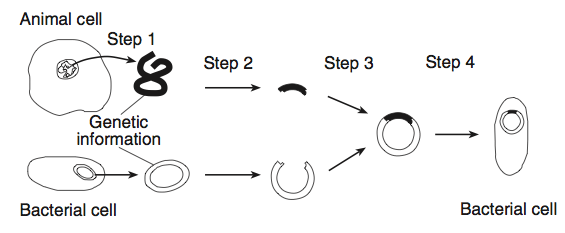
Genetic Engineering MCQ: Quiz! - ProProfs Quiz
GMO labeling: USDA 'bioengineered' labeling rules are unlawful, argues ... The National Bioengineered Food Disclosure Standard - which requires firms to label 'bioengineered' foods and beverages - is unlawful and should be nullified and then revised, according to a ...
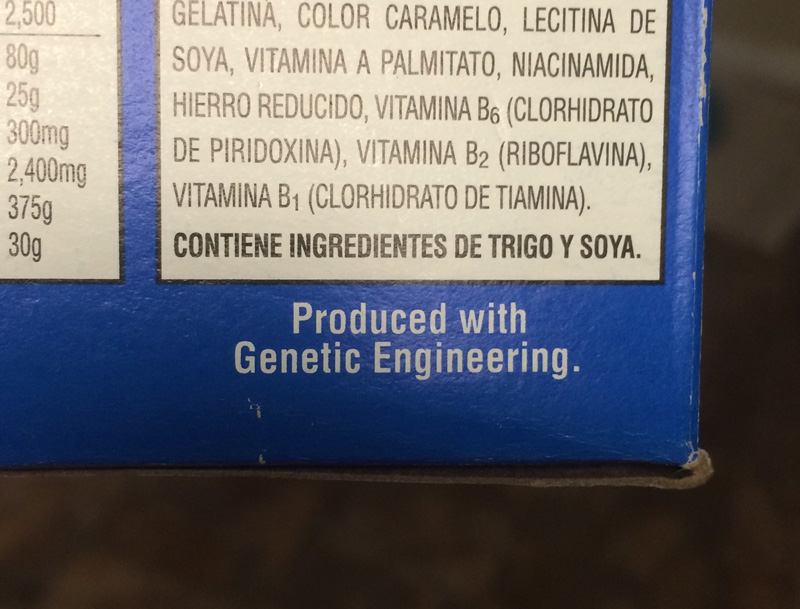
The Now: What are Genetically Modified Organisms (GMOs)?
The Truth Behind Food Labels | Audubon To earn the label, foods must be produced without the use of synthetic pesticides, herbicides, fertilizers, sludge, irradiation, or genetically modified seeds, according to the agency. Cows must have access to pasture a minimum of 120 days per year. There are four tiers of "organic" defined by USDA guidelines.
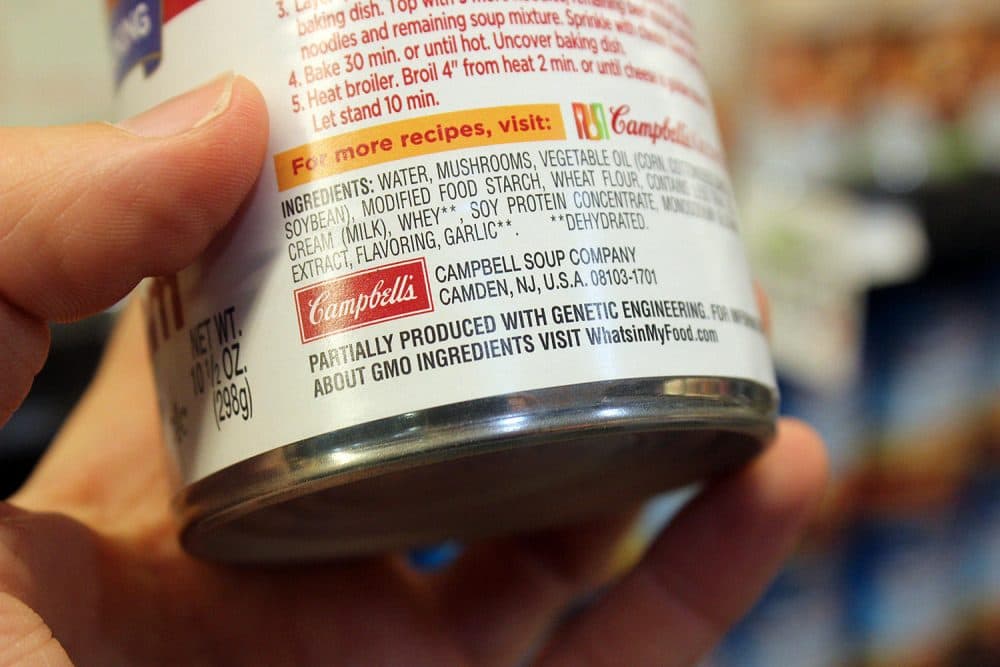
In Vermont, Food Labels Now Must Reveal GMO Ingredients | Here & Now

Perspectives on labeling genetically modified foods | Bloglander
Post a Comment for "38 genetic engineering on food labels"