44 polypropylene vs polyester labels
Is Polyester or Polypropylene the Right Choice for my Sleeves and Bags ... Polyester film is the material of choice for archiving many of the United States' most valuable historical documents according to the Library of Congress. Polypropylene is also archival safe, however it is gas permeable. Polyester sleeves and bags are more rigid than polypropylene counterparts. This gives polyester bags a brilliant, shiny surface. What is the difference between Polyester and Polypropylene ... What is the difference between Polyester and Polypropylene labels? BarcodesInc: Polyester is the most rugged and is made for outdoor or extreme temp/chemical environments. Polypropylene is great for indoor use when you need something stronger than paper and not at a high cost like Polyester. Ask us your Barcode, POS, or RFID questions.
7 Important Types of Label and Sticker Materials - PLCTX BLOG These labels are considered ideal replacements for vinyl labels, and provide excellent solvent resistance. Polypropylene labels are affordable than polyester labels, and they offer better clarity. These labels are distinguished on the basis of their coating, adhesive, and colors. The following are some popular types of these labels:

Polypropylene vs polyester labels
Polyester vs Polypropylene: What's the Difference? The main difference between polyester and polypropylene is that polypropylene is more water-resistant than polyester, making it a quick-drying fabric that works well for athletic wear. Polyester lacks the quick-drying properties of polypropylene, but it is washable and wrinkle-resistant, qualities that make it easy to care for. Compare Label & Sticker Materials | Avery WePrint™ Find out what label materials and finishes are best for your application or usage with our helpful resource guide and comparison chart. From white glossy paper labels to waterproof film labels, we make it easy for you to find the ideal labels or stickers for your project. Exceptional print quality Low minimums —no setup fees Difference Between Polyester and Polypropylene Polyester vs. Polypropylene. Polyesters are the polymers formed by condensation polymerization of dicarboxylic acid and diols. Whereas the polypropylene has the characteristic of thermoplastic polymer and has applications of being used in plastics and fibers. Monomers of polyester are dicarboxylic acid and diol; however, in the case of ...
Polypropylene vs polyester labels. Polypropylene vs Polyethylene Label Materials: - Paramount Labels Metallic Polypropylene Labels: The PP label material has the same water and oil resistance as White PP and Clear PP. However the difference is in its light reflecting properties - the same as that of a metal. Colourwashing these materials are favoured by luxury brands for a magnificent display of Gold, Copper, Silver and Rose Gold effects. Polypropylene Labels - Polypropylene Labels ... - PA Labels Australia We offer high quality polypropylene labels that are manufactured and printed to order. Our polypropylene labels are suitable for food, personal care, cleaning products and more. Promotional stickers made from polypropylene are also popular for marketing and events. Polypropylene (PP) labels are a widely used alternative to vinyl labels. Paper or Plastic? Choosing the Right Label Face Stock for Your Barcodes It's good for product ID, and a typical polyester label is commonly used for labeling automobile parts. Polypropylene: These labels offer more durability than a paper face stock, but rate middle-of-the-road in terms of their UV, chemical, and temperature resistance. Poypropylene labels are well suited for inventory or labeling in cold ... Do You Need Help Choosing A Label Material? - ABLT The test to determine which it is, is easy because Polyester sinks in water while Polypropylene floats. The hardest part of this test is that you must remove all the adhesive from the label first. This can take some time but by rubbing the back of the label with Goo Gone you can easily remove the adhesive.
A Guide to Polyester, Nylon, & Polypropylene Fabric | Quality Logo ... Polypropylene is a lightweight type of plastic. It was originally used to mass-produce plastic items in factories, but nowadays it's most commonly a textile or fabric. The advantages of polypropylene include: Absorbs moisture Resistant to chemicals Thermal properties ideal for cold weather Resistant to tearing Label Materials - What Is My Label Made Of? Polyethylene (PE) Floats. Easy. Lightweight, flexible, good abrasion resistance, preferred for packaging. Polypropylene (PP) Floats. Somewhat Difficult. Chemical & scratch resistant, strong, good wide service temperature. NOTE: The concept behind the water float test involves "specific gravity.". Polyester vs. Polypropylene - Ask Difference Polypropylene. Polypropylene (PP), also known as polypropene, is a thermoplastic polymer used in a wide variety of applications. It is produced via chain-growth polymerization from the monomer propylene. Polyester noun. a complex ester used for making fibers or resins or plastics or as a plasticizer. Polyester noun. Polyamide vs Polyester: 12 Differences And What Is Better Polyamides have the same principle behind their label. They are made from a group of polymers from the amide groups. But to qualify as a polyamide those monomers and polymers need a carboxylic group at both ends. ... Polyamide vs Polyester Carpet. The decision to buy one or the other carpet style will boil down to a few factors. First ...
Polypropylene (PP) vs Polyethylene (PET) Plastic PP plastic resists heat from outside better than PET. At the same time, PET plastic resists cold from outside much better than PP. Both PP plastic and PET plastic have a wide range of temperature resistance and the superiority of one kind of plastic over the other kind of plastic is by thin margins. The Right Strapping Supplies: Polypropylene Vs. Polyester Strappingis the key to having a complete protective packaging system. It's the last item installed on an outgoing package, and the first line of defense to protect your shipment. Choosing the right strapping for your specific shipment is critical. Commonstrapping materialsinclude polypropylene, polyester, cord strap, and steel.For the purposes of this blog we will focus on the two most popular ... Polypropylene vs Vinyl Stickers. Comparing Custom Label Printing ... In many cases, custom polyester labels are more cost-effective than vinyl because they are less durable. Polys are manufactured to be economically viable options for many label applications, however they are costlier than paper and there is a range of price depending on the specifications of the poly. Polyester Vs. Polypropylene - What's The Difference? Fluid will pass through polypropylene without getting absorbed into the fibers. Polypropylene is better at repelling water. Although polyester can wick moisture too, it is no match for polypropylene. Polypropylene will wick moisture very fast, resulting in speedier drying. 3. Durability
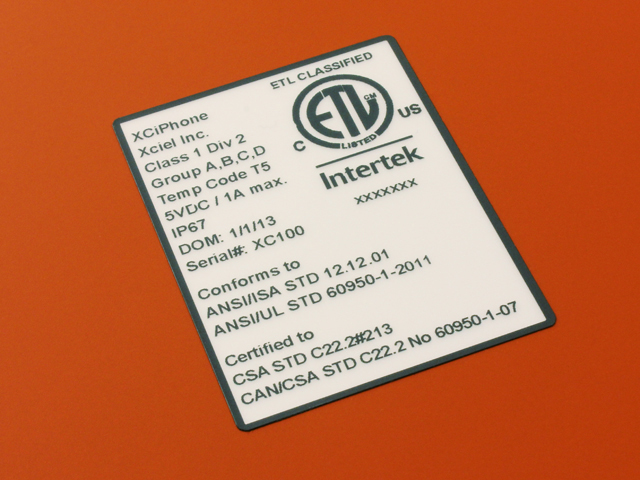
Polyester Label Gallery - Performance Labels and Graphics
Polyester vs vinyl labels | Electric Arc This is considered a stronger material than vinyl since it is more tear resistant and can withstand exposure to oils, solvents, and a number of chemicals. Labels that are made using this material are ideal for products that are subjected to harsh indoor or outdoor conditions.
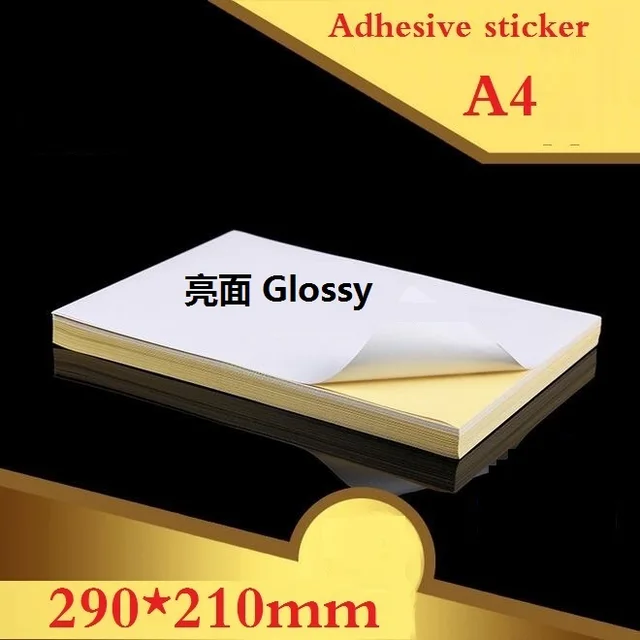
33 Matt Label - Labels Information List
What do the different types of plastic based labels mean- PVC,PP,PET ... PP = Polypropylene PET = Polyester BOPP = Biaxially Oriented Polypropylene PS = Pressure Sensitive Vinyl is mostly used for wall and floor graphics with an indoor application. Cheaper than polyester. Polyprop is a cheaper form of polyester, also mostly used for indoor application Polyester is the most expensive, basically weatherproof.

Thermal Transfer Ribbons manufactured by Spec Systems
Polyester vs Polypropylene Strapping: What's the Difference? Polypropylene strapping has a matte finish and is usually embossed. Tension retention - Polyester retains tension over a long period of time. Polypropylene has low retained tension, often losing about half of the applied tension with an hour of being applied. This loss can be accelerated by certain environmental factors as well.
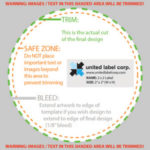
Custom Label Manufacturer United Label - Pressure sensitive labels vendor
Poly Labels - Mylar, polyester, polypropylene, vinyl, polyolefin Poly labels really means a custom printed label made of a poly film material like Mylar (polyester, referred to as PET), polypropylene (commonly referred to as BoPP), or polyolefin (a combination of plastics made for a particular use). Vinyl labels and polystyrene labels can also be called "poly labels".

18 Lovely Thermal Transfer Polyester Label Material
Polypropylene (BOPP) Labels - Everything You Need To Know While polypropylene labels are great for many applications, they do not work for everything. Application, lifespan, and regulations might dictate that another material, such polyester or vinyl might be required. Polyester labels are generally recommended for applications that require a larger lifespan, heat resistance, and additional durability.

Custom Roll Labels | Free Shipping from LabelLab
Polypropylene Labels: What You Need to Know | LabelValue They are more durable than most labels and are tear-proof and waterproof. It is also resistant to fading and discoloration that is often characteristic of standard paper labels. Polypropylene labels are ideal for a wide range of retail packaging uses, such as hair care, cosmetics or pharmaceutical products.

Self Adhesive Polyester Labels at Best Price in India
Polyester vs. Polycarbonate Graphic Overlays | Label-Aid Systems, Inc. You might choose a polyester label if your applications involves chemicals such as acids, solvents, or cleaners because polyester has better chemical resistance. Polyester has a higher actuation life as well, which means that it can be pushed many times over many years without cracking or deforming.

Wax Resin Ribbon: 2.16” x 1,968’ (55.0mm x 600m), Ink on Inside, General Use, Near Edge, $10.38 ...
Ensuring your labels withstand your environment | Blog | CILS Vinyl is perfect for cable marking but has now been replaced by polyester, polypropylene and polyethylene for most other applications. Vinyl is low cost, due to its limited temperature range and low-spec adhesive, but is very conformable to curved and textured surfaces. ... Typical applications for polypropylene labels: rigid packaging, window ...

Polyester Labels Manufacturer from Gurgaon
Which Sticker Material is Right for You? | StickerYou BOPP (Biaxially Oriented Polypropylene) is a plastic-based label material, which is ideal for labeling products that require durability and longevity. White Permanent Glossy BOPP is resistant to almost everything (fading, oil, heat, and abrasion), which makes it great for applications that will endure a lot of wear and tear.

Polypropylene Labels - Buckeye Business Products
Difference Between Polyester and Polypropylene - Pediaa.Com The main difference between polyester and polypropylene is that polyesters can absorb some amount of water whereas polypropylene does not absorb water at all. References: 1. Lazonby, John. "Polyesters." The Essential Chemical Industry online, Available here. 2. "What is Polyester." What is Polyester | What is Polyester, Available here. 3.

Custom Printed Labels
Difference Between Polyester and Polypropylene Polyester vs. Polypropylene. Polyesters are the polymers formed by condensation polymerization of dicarboxylic acid and diols. Whereas the polypropylene has the characteristic of thermoplastic polymer and has applications of being used in plastics and fibers. Monomers of polyester are dicarboxylic acid and diol; however, in the case of ...

Polyester Labels - YouTube
Compare Label & Sticker Materials | Avery WePrint™ Find out what label materials and finishes are best for your application or usage with our helpful resource guide and comparison chart. From white glossy paper labels to waterproof film labels, we make it easy for you to find the ideal labels or stickers for your project. Exceptional print quality Low minimums —no setup fees

4″ x 6″ Thermal Transfer Polypropylene Label – Kroy Labels & Ribbons
Polyester vs Polypropylene: What's the Difference? The main difference between polyester and polypropylene is that polypropylene is more water-resistant than polyester, making it a quick-drying fabric that works well for athletic wear. Polyester lacks the quick-drying properties of polypropylene, but it is washable and wrinkle-resistant, qualities that make it easy to care for.

Lowy: Comparisons for Nylon Webbing, Polypro Webbing, Polyester Webbing

Capacitor Parallel Voltage Calculator
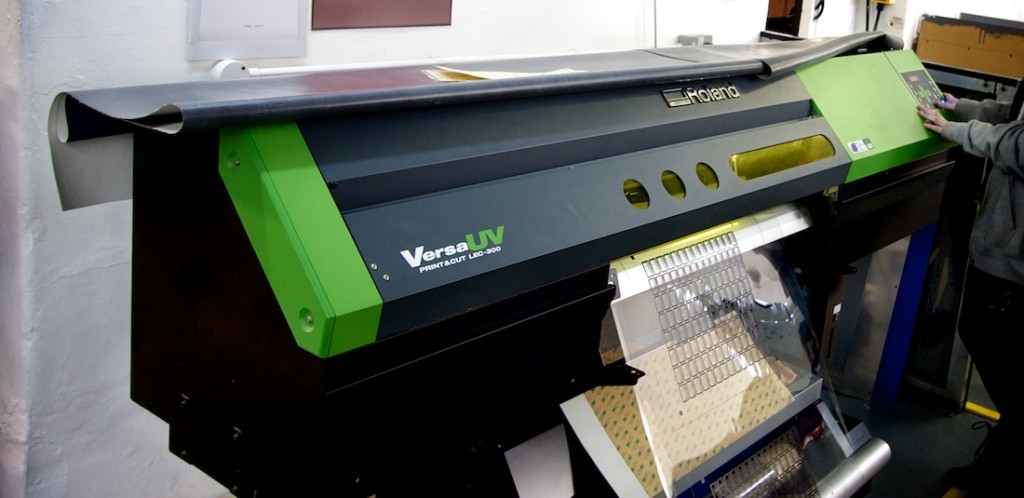
Polyester Labels | Polyester Plastic Nameplates | Southern United
Post a Comment for "44 polypropylene vs polyester labels"